Anambra pensioners recall Obi’s era with praise
As the debate over governance and social welfare intensifies, the experience of pensioners under Peter Obi’s administration in Anambra State offers one perspective on how retirees assessed his tenure.
I recently contacted the Chairman of the Nigeria Union of Pensioners, Anambra State Council, Comrade Anthony Ugozor, to hear directly from someone who was involved in pensioners’ affairs during Obi’s tenure.
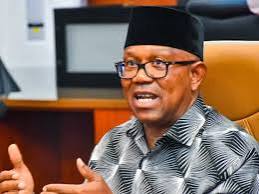
*Peter Obi
Valentine Obienyem
As the debate over governance and social welfare intensifies, the experience of pensioners under Peter Obi’s administration in Anambra State offers one perspective on how retirees assessed his tenure.
I recently contacted the Chairman of the Nigeria Union of Pensioners, Anambra State Council, Comrade Anthony Ugozor, to hear directly from someone who was involved in pensioners’ affairs during Obi’s tenure.
Ugozor did not answer his phone initially, but returned the call the following morning. He explained that he had been at Nawgu, where he had been invited by the traditional ruler for the community’s New Yam Festival.
I asked him about the relationship between Obi’s administration and pensioners, particularly the payment of pensions, gratuities and inherited arrears.
His response was unequivocal: “Pensioners in Anambra State had their best time under Obi. He not only cleared all the arrears owed us, he also paid pensions and gratuities promptly. Under him, fresh retirees got their gratuities in less than three months. It was a glorious era for us,” Ugozor said.
His assessment was not entirely new. In December 2018, when the Anambra State chapter of the Nigeria Union of Pensioners honoured Obi, Ugozor publicly credited the former governor with paying monthly pensions, gratuities and 16 months of inherited pension and gratuity arrears. He also cited Christmas rice gifts and the donation of a 14-seater bus to the union.
That account is significant because it came from the leadership of the pensioners’ union itself at the time. It also provides a useful counterpoint to the pension-related difficulties that surfaced after Obi left office.
For example, Ugozor later complained publicly about unpaid gratuities under subsequent administrations. In 2020, he said retirees were owed four years of gratuities, while reports in 2021 and 2022 documented continuing complaints over outstanding retirement benefits.
Obi’s administration also had a broader elderly-welfare component. In 2013, his administration announced a monthly welfare package for non-pensionable elderly people aged 75 and above, while grants were presented to selected elderly residents across the state’s 21 local government areas.
The distinction matters. Pension payments and gratuities are earned retirement benefits, not acts of charity. Welfare support for vulnerable elderly people, on the other hand, represents a separate social-protection intervention.
That distinction also explains why the pensioners’ testimony is relevant to any discussion about governance. For retirees, government is experienced less through official speeches than through practical realities: whether pensions arrive when due, whether gratuities are paid after retirement and whether inherited obligations are eventually settled.
Ugozor’s account therefore offers one documented assessment of how pensioners viewed Obi’s record. It does not, by itself, establish that every retiree shared the same experience, nor does it resolve broader questions about the administration’s overall performance.
What it does show is that the welfare of pensioners became an important part of how the former governor’s administration was remembered by the leadership of the Anambra pensioners’ union.
For Obi, whose political career has since moved beyond Anambra, that record remains relevant to the continuing national conversation about the treatment of retirees and elderly citizens.
The central question is ultimately broader than whether pensions were paid during one administration. It is whether government can build systems in which people who spend their productive years in public service receive their entitlements promptly and elderly citizens who are outside formal pension schemes are not left without support.
That is the point at which the testimony of Anambra’s pensioners becomes more than a recollection of the past. It becomes part of the evidence citizens may examine when assessing how different administrations have approached retirement benefits, social protection and the dignity of older people.