60MW won’t meet Bayelsa’s future power needs
Bayelsa State must begin planning for electricity generation beyond its current 60-megawatt capacity as businesses and industries return to the state, the Convener of the South-South Development Group, Elder Joseph Ambakederimo, has said.
Ambakederimo made the call at a roundtable on “Bayelsa Power Infrastructure and Its Value Chain Objectives”, organised to mark the state’s 30th anniversary.

*Participants at the round table.
Nathan Tamarapreye, Yenagoa
Bayelsa State must begin planning for electricity generation beyond its current 60-megawatt capacity as businesses and industries return to the state, the Convener of the South-South Development Group, Elder Joseph Ambakederimo, has said.
Ambakederimo made the call at a roundtable on “Bayelsa Power Infrastructure and Its Value Chain Objectives”, organised to mark the state’s 30th anniversary.
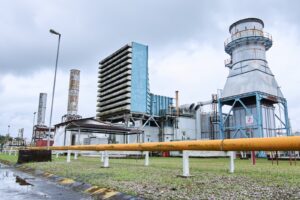
He described the 60MW gas turbine as a major step towards improving electricity supply but warned that its capacity would eventually fall short as economic activities expand.
“Without power, you cannot industrialise. Power is everything,” Ambakederimo said.
He urged the government and other stakeholders to plan additional generation capacity now, rather than wait until demand overwhelms existing infrastructure.
According to him, reliable electricity would help attract private investment, drive industrialisation, create jobs and improve residents’ quality of life.
Ambakederimo also said the Electricity Act 2023 had opened opportunities for states to develop their electricity markets and attract private capital.
He called for a stronger electricity value chain covering gas supply, generation, transmission, distribution, metering and renewable energy.
He further urged the state government to establish a stable regulatory framework that would reduce investment risks and encourage greater private-sector participation.
Ambakederimo said Bayelsa’s abundant gas resources offered the state an opportunity to build a sustainable power economy, but stressed the need for their effective utilisation.
He said the roundtable was designed to move the conversation beyond policy statements towards practical measures for delivering reliable and sustainable electricity.
The Director-General of the Bayelsa Electricity Regulatory Agency, Dr Roseline Dressman, said consumers could expect electricity from the state’s emerging power market to cost less than supply from the national grid.
“The good news I have for you here is that it will not be as expensive as the electricity from the national grid,” Dressman said.
She, however, urged consumers to pay their electricity bills promptly, noting that regular payments were necessary to sustain gas supply and power generation.
Dressman said Bayelsa had recorded improved electricity supply for more than three months, with some areas receiving almost 20 hours of power daily.
She acknowledged that the 60MW turbine would not be enough to meet growing demand, adding that BYERA was processing about 13 mini-grid proposals.
The Chairman of the Bayelsa Traditional Rulers Council, King Bubaraye Dakolo, said reliable electricity would encourage businesses to return to the state and boost productivity.
Similarly, the Director of Operations of the Bayelsa Electricity Company, Engr. Stephen Bubagha, said the state needed to strengthen its transmission and distribution infrastructure to maximise the benefits of its generation capacity.
Bubagha warned that the 60MW plant could become inadequate as improved electricity supply attracts more industries and businesses.
An energy finance expert, Mr Ebi Clark, said Bayelsa needed reliable consumer data and a coordinated pipeline of viable projects to attract investment into its emerging electricity market.
Prof. Francis Sikoki of the University of Africa, Toru-Orua, urged universities and private investors to explore opportunities in solar-panel manufacturing, energy storage and smart metering.
Participants at the roundtable identified reliable electricity supply, stronger infrastructure, investment and effective regulation as key requirements for expanding Bayelsa’s economy and supporting its industrialisation.