INEC admits 2023 polls eroded public trust
The Independent National Electoral Commission (INEC) has acknowledged that the 2023 general election created a significant trust deficit among Nigerians, saying it has since overhauled its operations to restore confidence ahead of the 2027 polls.
INEC Chairman Joash Amupitan, represented by National Commissioner May Agbamuche-Mbu at a peace and security conference organised by the Goodluck Jonathan Foundation in Abuja, said rebuilding trust remains one of the commission’s biggest priorities.
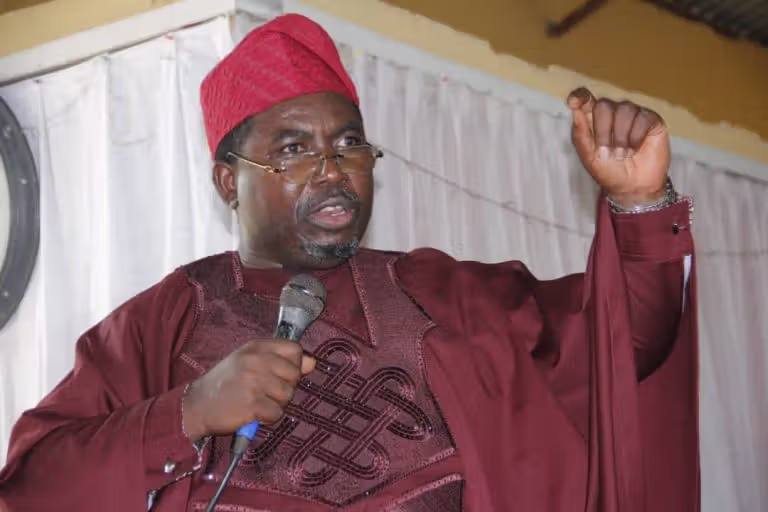
*Joash Amupitan
Nkereuwem Effiong
The Independent National Electoral Commission (INEC) has acknowledged that the 2023 general election created a significant trust deficit among Nigerians, saying it has since overhauled its operations to restore confidence ahead of the 2027 polls.
INEC Chairman Joash Amupitan, represented by National Commissioner May Agbamuche-Mbu at a peace and security conference organised by the Goodluck Jonathan Foundation in Abuja, said rebuilding trust remains one of the commission’s biggest priorities.
“We cannot strengthen trust without acknowledging that the 2023 general election left a significant trust deficit. Trust is earned through performance,” he said.
Amupitan said INEC has used recent off-cycle governorship elections, FCT Area Council polls and 16 bye-elections to identify weaknesses, refine procedures and strengthen its election management systems.
According to him, the commission has undertaken a comprehensive operational review under the Electoral Act 2026 to improve the credibility, transparency and efficiency of future elections.
As part of the reforms, INEC strengthened its Continuous Voter Registration exercise and deployed biometric audits through its Automated Biometric Identification System (ABIS), removing more than 1.6 million invalid records from the voter register. The commission said the register now contains over 100 million verified voters.
Amupitan also disclosed that 232,658 persons with disabilities are currently registered, with plans to expand assistive tools to improve their participation in the electoral process.
On election technology, he said INEC has upgraded its Election Results Viewing Portal (IReV) to strengthen result verification and transparency. The new system is designed to automatically reject polling unit result sheets that fail arithmetic checks or indicate over-voting before they can be uploaded.
The commission has also procured 57,000 new Bimodal Voter Accreditation System (BVAS) devices and reduced the number of voters assigned to each device from 1,250 to 850 to improve accreditation efficiency.
In addition, climate-controlled storage facilities have been established nationwide to protect sensitive electoral equipment.
Amupitan announced that INEC will conduct a nationwide mock election on November 28 to test its technological infrastructure and identify potential challenges before the 2027 general election.
He also warned that misinformation and disinformation remain major threats to electoral credibility, saying false narratives can fuel public anxiety, undermine confidence in democratic institutions and threaten national stability.
To address the challenge, INEC is expanding real-time fact-verification channels in collaboration with the media, civil society organisations and the National Orientation Agency to ensure accurate information reaches the public quickly. Amupitan said the reforms reflect the commission’s commitment to delivering more transparent, credible and efficient elections in 2027.