Presidency sets deadline for state police submissions
The Presidency has set 5pm on Thursday, August 13, 2026, as the deadline for Nigerians to submit views on the proposed National Policing Bill and the planned establishment of state police.
The Chief of Staff to the President and Chairman of the Presidential Working Group on the National Policing Bill, Femi Gbajabiamila, announced the deadline on Wednesday, urging Nigerians to participate in the consultation.
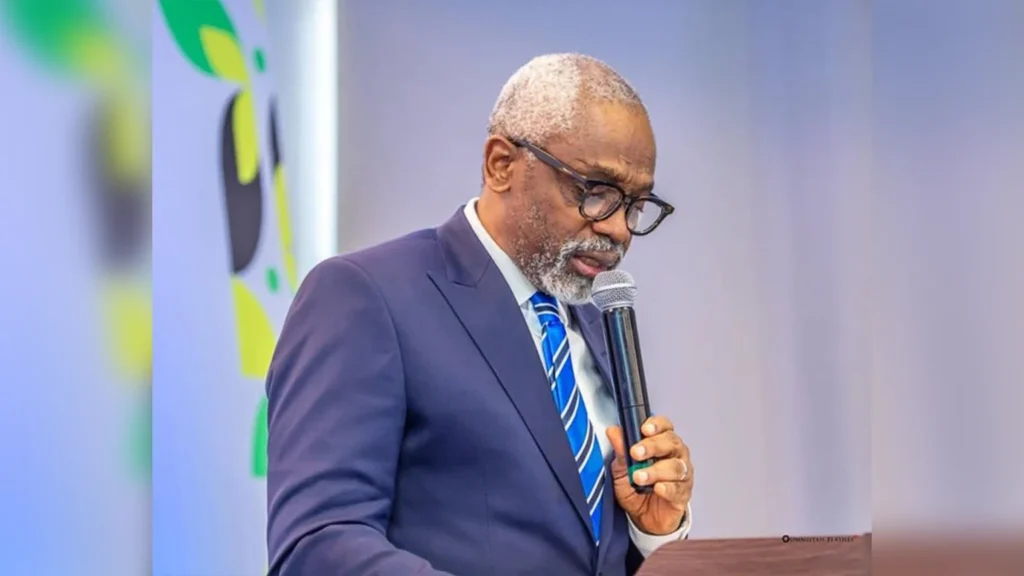
*Rt. Hon. Femi Gbajabiamila
The Presidency has set 5pm on Thursday, August 13, 2026, as the deadline for Nigerians to submit views on the proposed National Policing Bill and the planned establishment of state police.
The Chief of Staff to the President and Chairman of the Presidential Working Group on the National Policing Bill, Femi Gbajabiamila, announced the deadline on Wednesday, urging Nigerians to participate in the consultation.
Gbajabiamila said public input would help incorporate citizens’ experiences and professional expertise into the proposed legislation, particularly on political interference, police misconduct, oversight and intelligence-sharing between federal and state police services.
He stressed that the consultation would not replace the constitutional role of the National Assembly, which would retain the power to scrutinise, amend, reject or pass the Bill when transmitted.
The former Speaker of the House of Representatives said state police could bring policing closer to communities and improve responses to local security threats, but warned that safeguards were needed to prevent governors from using the force against political opponents, protesters, journalists, minority communities and other citizens.
“Proximity does not guarantee justice. The concern that governors might use state police against political opponents, minority communities or dissenting voices is serious and must be answered in the design of the law,” he said.
Gbajabiamila said the proposed system must operate within the Constitution, human rights standards and the rule of law, with officers properly recruited, trained, equipped and supervised.
He also called for credible complaints and independent oversight mechanisms to ensure accountability and make it easier to investigate misconduct and resist unlawful orders.
According to him, effective local policing should produce a system that is “closer, faster and better informed by local conditions”, with officers able to use knowledge of local languages, geography and crime patterns to improve intelligence gathering and security responses.
On the constitutional requirements, Gbajabiamila said Section 214 currently provided for the Nigeria Police Force as the country’s police service, making a constitutional amendment necessary before state police could be established.
He said both chambers of the National Assembly had approved proposed amendments providing for Federal Police and State Police Services, but the process was yet to be completed.
The amendment must subsequently be approved by at least 24 of the 36 state Houses of Assembly before being transmitted to the President for assent.
Gbajabiamila stressed that state police remained a proposal until the constitutional process was completed.
He said the Presidential Working Group was simultaneously developing the National Policing Bill to establish national standards covering recruitment, vetting, training, remuneration, pensions, equipment and professional conduct.
The proposed legislation would also provide frameworks for the use of force, complaints, discipline, independent oversight, intelligence-sharing and cooperation between federal and state police services.
Gbajabiamila clarified that even if the constitutional amendment and National Policing Bill became law, state police would not automatically be established nationwide.
Each state choosing to establish its own police service would require enabling legislation, appropriate institutions and funding, while meeting nationally prescribed conditions before deployment. States that chose not to establish their own police services would continue to be served by the Nigeria Police Force.