Plateau has over 4,000 abandoned mine pits – Alake
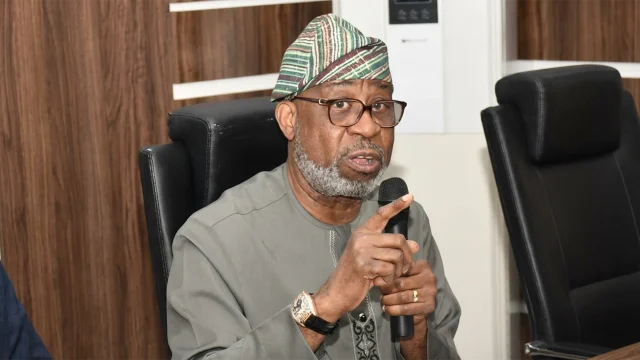
More than 4,000 abandoned mine pits litter Plateau State, posing persistent risks to lives and the environment, the Minister of Solid Minerals Development, Dele Alake, has said.
Alake’s warning followed the deaths of seven people in a mine-pit collapse at Kassa in Barkin Ladi Local Government Area, which he described as a tragedy that could have been prevented.
The minister said many of the abandoned pits were remnants of past mining operations and could be reclaimed and converted into productive economic assets if properly rehabilitated.
He urged artisanal miners to stop entering abandoned pits without the necessary licences and permits, advising them instead to form cooperatives and operate within the law.
According to Alake, the problem in Plateau dates largely to the activities of former mining companies, including Amalgamated Tin Mines Limited and its successor companies, Consolidated Tin Mines Limited and Nigerian Tin and Allied Products Limited.
He said the Federal Government had so far rehabilitated 59 abandoned mine pits, while working to establish the location and condition of thousands of others.
To accelerate that effort, the ministry has entered a public-private partnership that will use satellite-based Geographic Information System mapping and artificial intelligence to identify and assess abandoned mining sites.
Plateau is expected to serve as the pilot state for the initiative, which will also support the development of reclamation plans for the identified sites.
Alake called for greater private-sector participation in the rehabilitation programme, saying abandoned mining areas could be repurposed for ventures such as renewable energy, tourism and fisheries.
He described public-private partnerships as one of the quickest ways to transform the dangerous legacy of abandoned mining into productive economic infrastructure.
The minister said the challenge was to ensure that sites once associated with loss of life could instead become sources of employment, investment and sustainable development.