NCDF launches digital portal to accelerate oil & gas funding
Over 130 indigenous firms operating in Nigeria’s upstream oil and gas sector have secured upwards of $400 million in financial backing, according to Emmanuel Yusuf, Managing Director of the Nigerian Content Development Fund (NCDF).
Speaking on Wednesday in Uyo at the official launch of the Nigerian Content Fund Compliance Certificate portal, an initiative organised by the Nigerian Content Development and Monitoring Board (NCDMB), Yusuf revealed that the new digital platform is set to streamline and accelerate access to crucial funding.
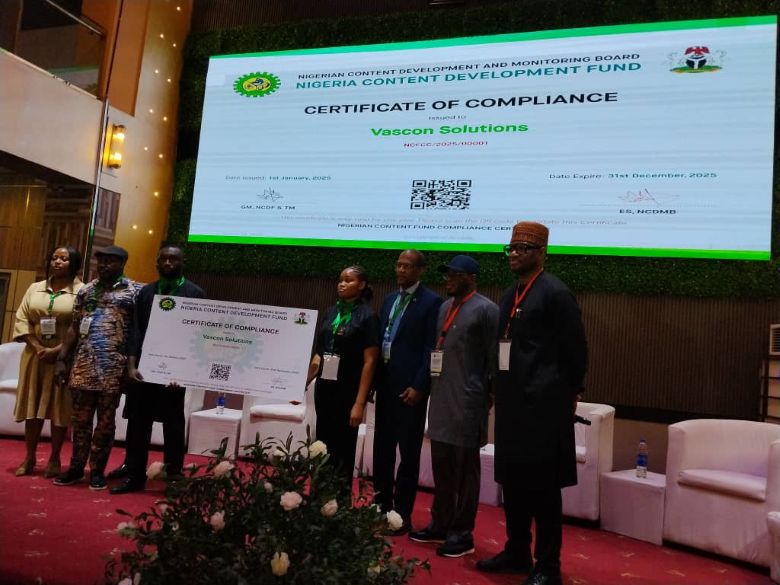
Over 130 indigenous firms operating in Nigeria’s upstream oil and gas sector have secured upwards of $400 million in financial backing, according to Emmanuel Yusuf, Managing Director of the Nigerian Content Development Fund (NCDF).
Speaking on Wednesday in Uyo at the official launch of the Nigerian Content Fund Compliance Certificate portal, an initiative organised by the Nigerian Content Development and Monitoring Board (NCDMB), Yusuf revealed that the new digital platform is set to streamline and accelerate access to crucial funding.
He noted that digitising the system promises a far more efficient service model with measurable outcomes. Operators and contractors will now benefit from frictionless access to finance, regulators will gain enriched data collection capabilities, and investor confidence is poised to climb.
The launch directly advances national priorities around digital transformation, enhanced accountability, and improving the ease of doing business. Yusuf emphasised that the Compliance Certificate remains a critical cornerstone of the nation’s energy framework.
Under the Nigerian Oil & Gas Industry Content Development Act, a mandatory one per cent deduction is made at source from every contract awarded to operators, contractors, sub-contractors, or alliance partners involved in upstream activities, with the proceeds channelled directly into the Fund.
“This certificate acts as definitive proof of compliance, the vital key unlocking access to the Fund and confirming that corporate obligations align with national development objectives,” Yusuf explained. “Over the years, the impact of the Fund has been transformative. In-country value retention has risen above 60 per cent, retaining vital skills, jobs, and expertise within Nigeria.”
He highlighted that deploying more than $400 million to over 130 local businesses has tackled the industry’s pervasive financing bottleneck. “Strategic initiatives like Project 100 have fortified local capacity, whilst innovative financial instruments—including a $100 million equity investment scheme, ensure long-term sustainability. However, as our operations grow, our infrastructure must evolve.”
Reflecting on past challenges, Yusuf noted that compliance verification previously relied on cumbersome manual workflows. Companies were forced to submit paper documentation and endure delays that stretched across several weeks, slowing project sign-offs, creating market uncertainty, and obscuring transparency.
“Today marks a pivotal shift,” Yusuf declared. “This digital platform compresses processing times from weeks to mere days, enables online applications without physical paperwork, delivers real-time status tracking, and equips regulators with immediate verification tools. It establishes a trusted, unified digital record for investors and lenders alike.”
He added that by accelerating certificate issuance, compliant companies can secure capital without friction and direct their resources towards projects that generate employment and strengthen Nigeria’s broader energy value chain.
Delivering the welcome address, Engr. Felix Omatsola Ogbe, Executive Secretary of the NCDMB, noted that the stakeholder workshop was designed to provide practical guidance on navigating the upgraded NCDF Payment Portal, the Compliance Certificate System, and the broader Nigerian Content Intervention Fund (NCI Fund).
Represented by Mr Dandi Osagie, Ogbe reiterated that modernising these systems is essential for boosting efficiency and ensuring eligible Nigerian enterprises can seamlessly fulfil statutory requirements under the Nigerian Content Act.
“Effective execution of Nigerian Content relies on sustained engagement, collaboration, and capacity building,” Ogbe remarked. “Sensitisation platforms such as this allow us to consult with stakeholders, address operational concerns, and guarantee that our digital processes are thoroughly understood and effectively used.”