UK imposes controls after deadly fish virus
The UK authorities have imposed strict controls on the movement of aquatic animals following the confirmation of a Koi herpesvirus (KHV) outbreak at a fish-rearing facility in Aspley Guise, Milton Keynes.
The outbreak was confirmed on 10 September by the Fish Health Inspectorate (FHI) at a facility located at Tree Farm, according to a statement published on Monday by the Centre for Environment, Fisheries and Aquaculture Science (Cefas).

*Fish
Abimbola Joseph
The UK authorities have imposed strict controls on the movement of aquatic animals following the confirmation of a Koi herpesvirus (KHV) outbreak at a fish-rearing facility in Aspley Guise, Milton Keynes.
The outbreak was confirmed on 10 September by the Fish Health Inspectorate (FHI) at a facility located at Tree Farm, according to a statement published on Monday by the Centre for Environment, Fisheries and Aquaculture Science (Cefas).
Described as a serious viral disease, KHV affects all varieties of common and ornamental carp (Cyprinus carpio) and is recognised as a notifiable disease in the UK. The virus can cause significant fish mortality, posing a major threat to carp populations and aquaculture operations.
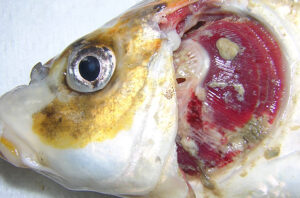
According to the statement, infected fish may exhibit symptoms including white or brown lesions on the gills, damaged skin, excessive mucus shedding, and sunken eyes. These signs are most observed when water temperatures range between 16°C and 28°C.
The UK Government stressed that the outbreak poses no risk to public health.
In response, statutory restrictions have been introduced to prevent the disease from spreading. Under the measures, aquatic animals, including eggs and gametes, cannot be moved into, out of, or within the designated control area without prior written approval from the FHI.
The inspectorate has urged fish owners, breeders and operators to report any suspected cases immediately, particularly where carp or carp hybrids display symptoms of the disease or unexplained deaths occur.
Sites affected by KHV are required to undergo a formal monitoring programme. FHI officials will conduct inspections to assess compliance with control measures and monitor the health status of affected waters.
The agency also requires immediate notification if fish deaths increase, recur, or appear in nearby waters or facilities. Operators must seek approval before making physical alterations to sites within the designated area, including changes to site boundaries, water bodies or operational use.
Applications for movement permits or other required consents must be submitted to the FHI at least five working days in advance.
Officials said laboratory confirmation of KHV automatically triggers statutory disease-control measures aimed at containing and, where possible, eradicating the virus. These measures may include movement restrictions, enhanced biosecurity protocols, fish culling, and the cleaning and disinfection of affected premises.
The UK has maintained statutory controls on KHV outbreaks since 2007 and continues to operate a nationwide surveillance programme to detect and manage the disease.
Authorities have advised fish owners and aquaculture operators to strengthen biosecurity measures and remain vigilant to help prevent further outbreaks.