Returning migrants strain Zimbabwe’s HIV treatment system
Zimbabwe’s HIV treatment programme is facing mounting pressure as increasing numbers of returning migrants seek to re-enter the country’s healthcare system. While many Zimbabweans have spent years living and working in neighbouring countries such as South Africa, Botswana and Zambia, economic challenges, changing immigration policies and job losses have prompted many to return home. Their return has created new demands on an already stretched public health sector, particularly in the provision of HIV prevention, treatment and long-term care.
*https://healthpolicy-watch.news/zimbabweans-fleeing-xenophobia-in-south-africa-battle-to-get-hiv-medicine-back-home/
Etim Ekpimah with agency report
Zimbabwe’s HIV treatment programme is facing mounting pressure as increasing numbers of returning migrants seek to re-enter the country’s healthcare system. While many Zimbabweans have spent years living and working in neighbouring countries such as South Africa, Botswana and Zambia, economic challenges, changing immigration policies and job losses have prompted many to return home. Their return has created new demands on an already stretched public health sector, particularly in the provision of HIV prevention, treatment and long-term care.
Zimbabwe has made significant progress in combating HIV over the past two decades. Through sustained government efforts, support from international donors and community-based organisations, the country has expanded access to antiretroviral therapy (ART), increased HIV testing and reduced AIDS-related deaths. However, maintaining these gains depends on ensuring uninterrupted treatment for everyone living with the virus, including returning migrants.
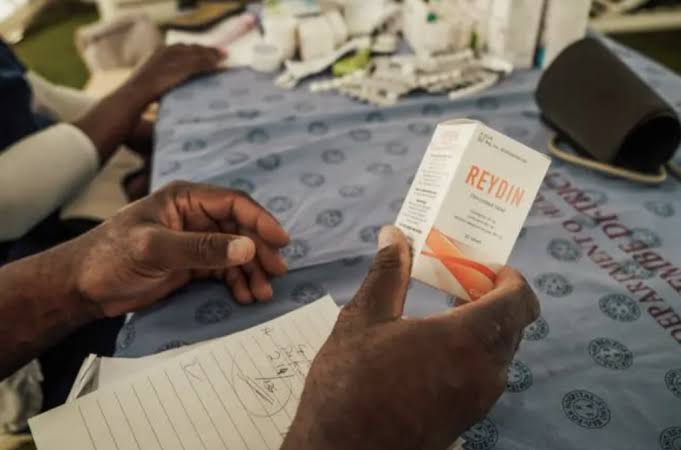
Many returnees face challenges in transferring their medical records from the countries where they previously received treatment. Some arrive without documentation or with only a limited supply of medication, making it difficult for healthcare workers to verify treatment histories or continue the same drug regimen immediately. Delays in accessing medication increase the risk of treatment interruption, drug resistance and declining health outcomes.
Healthcare facilities, particularly in border districts and rural communities where many returnees settle, are also experiencing increased patient loads. Clinics that already struggle with shortages of healthcare workers, medicines and diagnostic equipment must now accommodate additional patients requiring regular monitoring, laboratory tests and counselling services. This places extra pressure on healthcare professionals and may lead to longer waiting times and reduced quality of care.
Another challenge is the mobility of many returning migrants. Some continue to move between Zimbabwe and neighbouring countries in search of employment, making it difficult to maintain continuity of treatment. Frequent movement can result in missed clinic appointments and inconsistent medication adherence, increasing the risk of HIV transmission and treatment failure. Strengthening cross-border referral systems and improving the portability of patient records would help ensure seamless access to care regardless of where patients seek treatment.
Social and economic factors further complicate the situation. Many returnees come back with limited financial resources after losing jobs or facing deportation. Poverty, unemployment and food insecurity can undermine adherence to HIV treatment, as some patients struggle to meet basic needs. Mental health challenges associated with displacement, family separation and economic hardship may also affect their ability to remain engaged in care.
Addressing these challenges requires coordinated action by the Zimbabwean government, neighbouring countries and international development partners. Expanding digital health records, strengthening cross-border healthcare collaboration and ensuring adequate supplies of antiretroviral medicines would improve continuity of treatment. Increased investment in community health workers and outreach programmes can also help identify returning migrants early and reconnect them with healthcare services.
Civil society organisations have an important role in providing counselling, legal support and health education for migrants before departure, during transit and after their return. Regional cooperation through the Southern African Development Community (SADC) could also facilitate harmonised HIV treatment protocols and patient referral mechanisms across member states.
Although returning migrants present additional challenges for Zimbabwe’s HIV response, they also highlight the importance of building resilient and inclusive health systems that leave no one behind. By strengthening healthcare infrastructure, improving regional cooperation and ensuring uninterrupted access to treatment, Zimbabwe can continue its progress in controlling HIV while meeting the needs of its returning citizens.