Fuel, FX reforms added N15.8tn to federation resources
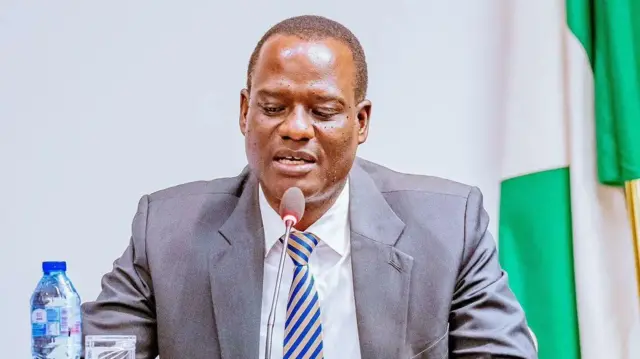
*The Minister of Finance and Coordinating Minister of the Economy, Taiwo Oyedele.
The Federal Government says reforms to petrol pricing and the foreign exchange market generated an additional N15.8tn for the Federation between June 2023 and December 2025.
Minister of Finance and Coordinating Minister of the Economy, Taiwo Oyedele, said the gains did not enter the Federation Account as a distinct pool labelled “subsidy savings”, but emerged through higher naira-denominated revenue collections following the reforms.
Oyedele disclosed this on Wednesday at a media briefing on the government’s reform scorecard, titled The Benefits, Costs and Harm Prevented.
He explained that the removal of petrol subsidy and the unification of the foreign exchange market increased the naira value of dollar-denominated revenues collected by agencies of the Federal Government.
“Between June 2023 and December 2025, subsidy savings mobilised a sum of N15.8tn in resources for the Federation,” Oyedele said.
He said the impact became evident in increased collections by agencies such as the Nigeria Customs Service and the tax authorities because revenues previously calculated at substantially lower exchange rates translated into higher naira amounts after the reforms.
The minister said the gains should therefore not be interpreted as N15.8tn sitting in a separate government account awaiting distribution.
Rather, he said the reforms expanded the pool of resources available to the three tiers of government through increased Federation Account revenues, with states and local governments receiving a significant share.
Oyedele also linked the additional resources to the foreign exchange reforms, arguing that the previous exchange-rate regime amounted to an implicit subsidy that largely benefited intermediaries and rent-seekers rather than ordinary Nigerians or businesses.
“Not just the subsidy removal, but also the exchange rate flotation, because we were subsidising the exchange rate,” he said.
The minister’s explanation comes more than three years after President Bola Tinubu announced the removal of petrol subsidy in May 2023, a decision that triggered a sharp increase in fuel prices and became one of the defining economic reforms of his administration.
Oyedele said the combined reforms had altered the way government revenues were generated and accounted for, making their financial impact visible through increased collections rather than a single identifiable subsidy-saving item.