Adebayo pledges ₦200 fuel cap via local refining revival
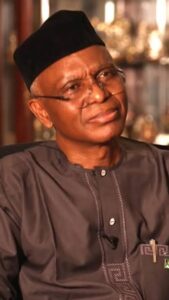
Prince Adewole Adebayo, the Social Democratic Party’s presidential candidate for 2027, has pledged to cap the prices of petrol, cooking gas, and aviation fuel at ₦200 per litre within a year of taking office.
Speaking during an interview in Abuja, Adebayo outlined a strategy centred on revitalising Nigeria’s existing refining infrastructure and encouraging modular refinery development.

*Adebayo
Prince Adewole Adebayo, the Social Democratic Party’s presidential candidate for 2027, has pledged to cap the prices of petrol, cooking gas, and aviation fuel at ₦200 per litre within a year of taking office.
Speaking during an interview in Abuja, Adebayo outlined a strategy centred on revitalising Nigeria’s existing refining infrastructure and encouraging modular refinery development.
Addressing concerns over the age of the nation’s refineries, he noted that century-old facilities in the United States remain operational, arguing that age should not prevent Nigeria’s refineries from meeting domestic demand.
Adebayo proposed re-establishing a domestic allocation model, setting aside 450,000 barrels of crude oil daily for local processing.
Under this plan, revenues generated from selling crude by-products, such as naphtha, heavy fuel oil, diesel, and kerosene, would fund the ₦200 price ceiling.
He described the current national debate over fuel subsidies as a distraction, maintaining that domestic refining capacity, rather than reliance on costly refined imports, remains the core solution to Nigeria’s energy challenges.
To implement this price structure, the SDP candidate committed to collaborating with the National Assembly to create a statutory mechanism backed by derivative petroleum revenues.
Beyond energy policy, Adebayo linked fuel price reform to broader economic measures.
His platform includes expanding public transit and rail networks, requiring employers to contribute six per cent of staff salaries toward transport allowances, capping worker housing expenses at seven per cent of earnings, and funding universal free healthcare and education alongside agricultural initiatives to improve food security.
NAN.