Abia records 39,315 HIV patients on treatment, women dominate
Women account for nearly two-thirds of the 39,315 people receiving antiretroviral treatment for HIV in Abia State, highlighting a significant gender imbalance in the state’s HIV burden.
The Abia State Agency for the Control of HIV and AIDS disclosed that females represent 61.2 per cent of patients currently receiving treatment, compared with 38.8 per cent for males.
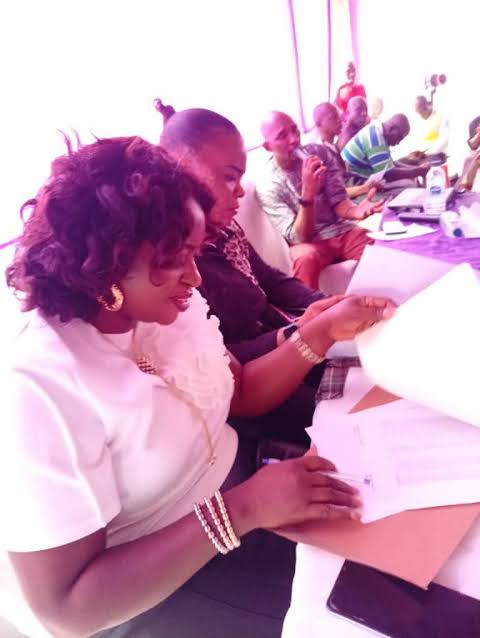
*Women make up 61.2 per cent of Abia’s 39,315 HIV patients receiving antiretroviral treatment, highlighting a significant gender disparity.
Nkereuwem Effiong
Women account for nearly two-thirds of the 39,315 people receiving antiretroviral treatment for HIV in Abia State, highlighting a significant gender imbalance in the state’s HIV burden.
The Abia State Agency for the Control of HIV and AIDS disclosed that females represent 61.2 per cent of patients currently receiving treatment, compared with 38.8 per cent for males.
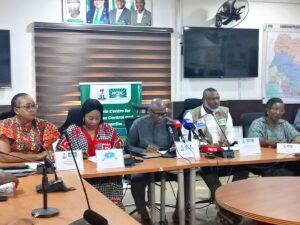
The agency’s Director-General, Dr Uloaku Ukaegbu, revealed the figures on Saturday in Umuahia during a media briefing to commemorate the 2026 World AIDS Day.
She said the 39,315 patients were receiving antiretroviral drugs at 40 comprehensive health facilities across the state. The figure, she explained, also included patients from neighbouring states who travelled to Abia to access treatment.
Ukaegbu expressed concern over the disproportionate number of women receiving HIV treatment, noting that the figures pointed to a greater burden among females.
“More females are accessing antiretroviral treatment, which is the medication used to keep people living with HIV healthy and strong.
“There is a disparity in the ratio. It is more common among females than males. The ratio is 38.8 to 61.2 per cent, with males accounting for 38.8 per cent and females 61.2 per cent,” she said.
Despite the gender disparity, the agency reported a decline in newly detected HIV infections, from 2,251 in 2025 to 1,905 in 2026.
Ukaegbu attributed the reduction to intensified testing and improved efforts to identify infections, describing the development as an indication that the state’s intervention programmes were making progress.
“Between 2025, we had 2,251 new cases detected. In 2026, we have had 1,905 new cases. So, there is a decline,” she said.
She added that the government had expanded HIV testing services to communities to make screening more accessible and encourage residents to know their status.
According to her, testing kits and antiretroviral drugs are available at designated treatment centres across the state.
With the 2026 World AIDS Day theme, Ending AIDS Starts with Access, Ukaegbu urged young people to undergo regular HIV testing, stressing that early diagnosis and consistent treatment could help people living with the virus lead healthy lives.
She challenged the misconception that an HIV diagnosis amounted to a death sentence, describing the infection as a chronic condition that could be effectively managed with appropriate medical care.
“My advice to young people is that HIV/AIDS is not a killer disease. It is a chronic disease, a chronic ailment that can be managed. The danger is in not getting tested,” she said.
The agency chief also reassured people living with HIV that treatment was provided free of charge, urging those who suspected they might have contracted the virus to seek testing instead of allowing fear and stigma to prevent them from accessing medical attention.
“They don’t pay any kobo. The drugs are given for free to anybody who has been confirmed to be HIV positive,” she said.
Ukaegbu, however, raised concerns about the possibility of international donors reducing financial support for HIV programmes.
She said governments at all levels had been encouraged to prepare for greater responsibility in financing and sustaining HIV prevention, testing and treatment services from 2030, when donor support could become less dependable.