2027: Obi emerges as Akwa Ibom’s seaport hope
A political commentator has urged Akwa Ibom residents to look beyond party loyalty and support a presidential candidate capable of securing the funding and political commitment needed to deliver the long-awaited Ibom Deep Seaport, arguing that Peter Obi is better positioned to advance the project than President Bola Tinubu.
The commentator, who expressed this position in a statement, said the state’s economic future should take precedence over partisan interests, particularly as the proposed seaport could transform Akwa Ibom’s economy through industrialisation, international trade and employment opportunities.
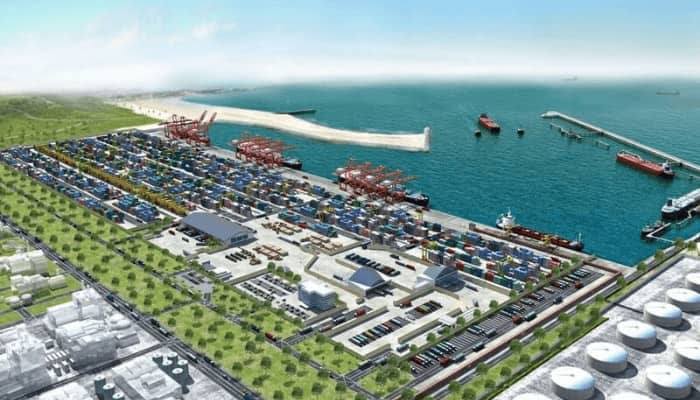
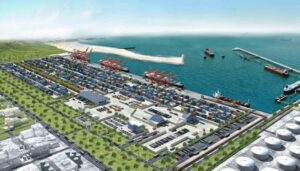
*Ibom Deep Seaport
A political commentator, Mr. Isaac Inwang has urged Akwa Ibom residents to look beyond party loyalty and support a presidential candidate capable of securing the funding and political commitment needed to deliver the long-awaited Ibom Deep Seaport, arguing that Peter Obi is better positioned to advance the project than President Bola Tinubu.
Inwang, who expressed this position in a statement, said the state’s economic future should take precedence over partisan interests, particularly as the proposed seaport could transform Akwa Ibom’s economy through industrialisation, international trade and employment opportunities.
He urged residents to resist political pressure to support Tinubu’s re-election bid in 2027, arguing that the state needed leadership committed to creating economic opportunities rather than relying on political promises.
According to him, Akwa Ibom residents are in need of economic empowerment through the establishment of industries and the development of the maritime sector, rather than continuing to depend on other regions for employment.
He observed that industries in Nigeria were heavily concentrated in Ogun State, attributing this partly to federal influence and the state’s proximity to Lagos, and argued that effective leadership should make it possible to establish industries across the country.
Commenting on his Facebook page, Inwang maintained that an efficient transport network, including rail, road and waterways, could facilitate the movement of goods and people, making industrial development viable in different parts of Nigeria.
The commentator described the tendency of Nigerians to migrate to the South-West in search of employment as an unsustainable economic strategy, alleging that people from other regions sometimes faced hostility while seeking opportunities there.
He also cautioned Governor Umo Eno against using his political influence to determine the voting choices of Akwa Ibom residents, insisting that the governor was entitled to support his preferred candidate but should not dictate the political decisions of the electorate.
“Governor Umo Eno has just one vote. Let him vote for his preferred candidate, but he should not influence any Akwa Ibom man or woman to vote for someone who will not develop the state,” he said.
Inwang urged Akwa Ibom voters to make independent political choices based on their collective economic interests rather than allow influential politicians to sway their decisions.
He questioned whether Tinubu would commit substantial federal resources to developing a deep seaport outside the South-West, particularly in Akwa Ibom, while major maritime projects in his home region continued to attract attention.
Inwang cited federal investments in Lagos seaports and Tinubu’s reported involvement in attracting investors to the proposed Ogun seaport as examples of what he described as the President’s commitment to strengthening the South-West’s maritime economy.
According to him, the absence of comparable commitment to the Ibom Deep Seaport raises questions about whether Akwa Ibom can expect the same level of federal support under the current administration.
He argued that regional economic interests often influence political decisions, irrespective of party affiliations, adding that the South-West’s determination to strengthen its maritime economy could make competing port developments elsewhere less attractive to its political establishment.
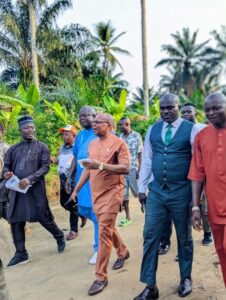
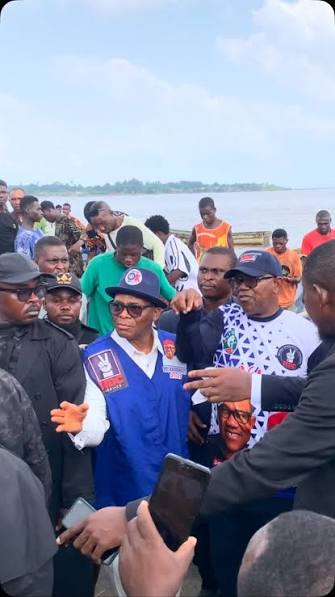
His argument followed Obi’s visit to Ibaka, Akwa Ibom State, on Saturday, where the former Anambra State governor inspected the proposed deep seaport site.
According to him, Obi would support the project if elected president, arguing that its development would also stimulate economic activities across the South-East and neighbouring parts of the country.
He also highlighted Obi’s family connection to Akwa Ibom, noting that his wife, Margaret, hails from Ikot Nkan Village in Onna Local Government Area, although he maintained that the project should be considered primarily on its economic merits rather than personal relationships.
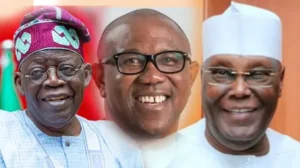
Inwang further suggested that a president from the North, including former Vice-President Atiku Abubakar, could be more receptive to funding the project than Tinubu.
He acknowledged that Tinubu could support other infrastructure projects in Akwa Ibom, including roads and bridges, as well as federal appointments for indigenes of the state, but expressed doubt that the President would provide the financial resources and political backing required to realise the deep seaport.
Describing the project as central to Akwa Ibom’s blue economy ambitions, he pointed to the state’s extensive Atlantic coastline and access to the Gulf of Guinea as significant economic advantages.
Inwang argued that developing the port would enable Akwa Ibom to harness its maritime resources, expand international trade, attract foreign investment, create employment and stimulate industrial growth.
He therefore urged residents to assess presidential candidates based on their capacity and willingness to advance the state’s long-term economic interests rather than their political affiliations.