Udoedehe slams A’Ibom’s ‘Bungalow Projects’, questions spending priorities
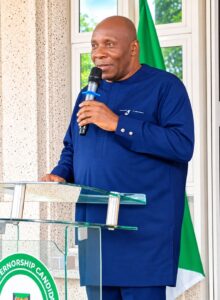
African Democratic Congress (ADC) governorship candidate Senator John James Akpan Udoedehe on Monday criticised the Akwa Ibom State Government, accusing it of abandoning the state’s ambitious development agenda in favour of “bungalow projects”. He also called for greater transparency over oil revenues and questioned why Ibom Hotel remains closed.
In an interview, the former senator asked why a state with substantial oil wealth was celebrating basic facilities that, he argued, should be part of the routine work of local government councils.
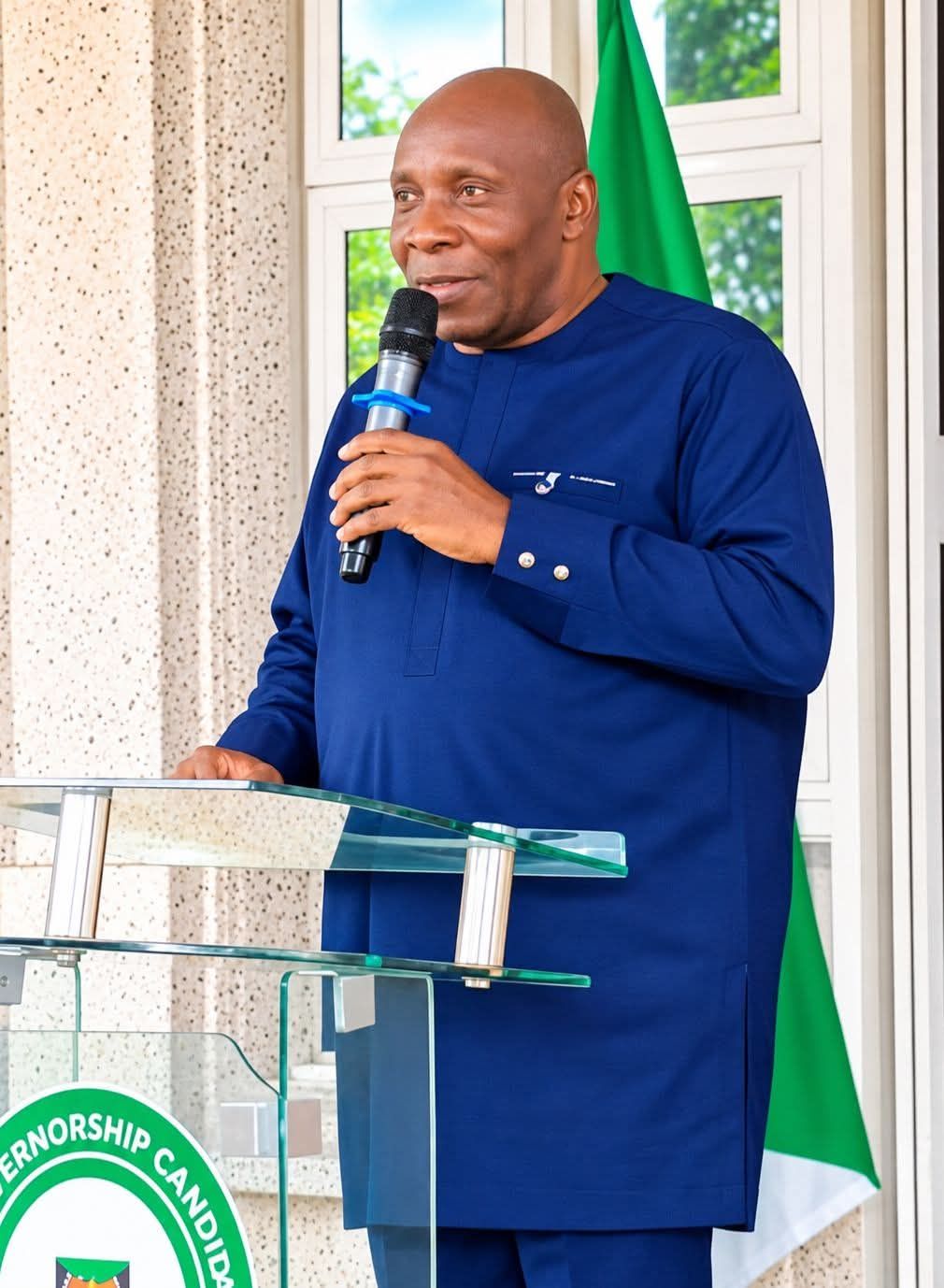
*African Democratic Congress (ADC) governorship candidate Senator John James Akpan Udoedehe
Etim Ekpimah
African Democratic Congress (ADC) governorship candidate Senator John James Akpan Udoedehe on Monday criticised the Akwa Ibom State Government, accusing it of abandoning the state’s ambitious development agenda in favour of “bungalow projects”. He also called for greater transparency over oil revenues and questioned why Ibom Hotel remains closed.
In an interview, the former senator asked why a state with substantial oil wealth was celebrating basic facilities that, he argued, should be part of the routine work of local government councils.
“Akwa Ibom was once known as a destination for development. When did we begin settling for bungalow projects?” Udoedehe asked.
He described the attention given to model primary schools and primary healthcare centres as an attempt to present ordinary public services as major achievements. The key question, he said, was whether the state was building for the future or “merely polishing mediocrity”.
Udoedehe called for full disclosure of the projects’ funding sources. He asked whether they were being financed from local government allocations or state funds, and urged the government to publish their actual costs and objectives.
He also questioned the construction of bungalow-style buildings in Ibom Unity Parks, alleging that the work could breach the state master plan, which designates the area as green space. He challenged the government to explain its long-term plans for the park.
On oil revenue, Udoedehe sought answers about the status of disputed oil wells and the 13 per cent derivation fund. He said residents had the right to know what the state was entitled to receive and how much it had actually received.
“The management of the state’s oil resources must be subjected to public scrutiny,” he said, describing oil revenue as the lifeblood of the state budget.
Udoedehe rejected the suggestion that the government should avoid involvement in industrialisation. While acknowledging that the state need not own every factory, he said it had a duty to create conditions that attract foreign investment, support private-sector growth and generate jobs.
He also questioned why more than N25 billion reportedly budgeted for the renovation of Ibom Hotel, formerly Le Meridien, had not led to the reopening of the main hotel. He said only the bungalow chalets were being prepared to reopen. He linked the hotel’s prolonged closure to job losses and damage to the hospitality sector, and accused the government of misplacing its priorities.
Udoedehe said delayed payments to contractors had stalled road projects across the state. Such delays, he argued, disrupt schedules, discourage reliable contractors and leave residents with unfinished roads.
He further accused the administration of poor budget implementation and an inactive cabinet, saying commissioners appeared more interested in ceremonies than in achieving measurable results.
Udoedehe said his comments were intended to prompt serious debate ahead of the 2027 governorship election. He promised that the ADC would soon publish a detailed manifesto for voters to compare with the state’s current direction.
“The 2027 election must be about more than personalities and empty promises. It must be about interrogating public spending, assessing real development outcomes and demanding accountability,” he said.
He urged Akwa Ibom residents to consider these questions and decide whether the state should continue on its current path or choose a new direction.