Ebola alert: FG traces 44 contacts
The Federal Government has urged passengers who travelled with a woman diagnosed with Ebola virus disease in the Federal Capital Territory (FCT) to cooperate with public health authorities as contact tracing continues.
The Minister of Health and Social Welfare, Prof. Muhammad Ali Pate, appealed on Tuesday, revealing that 44 contacts had been identified following laboratory confirmation of the case on 20 October 2026.
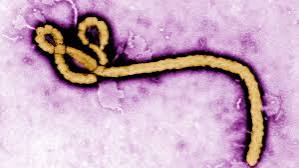
*Ebola
Etim Ekpimah
The Federal Government has urged passengers who travelled with a woman diagnosed with Ebola virus disease in the Federal Capital Territory (FCT) to cooperate with public health authorities as contact tracing continues.
The Minister of Health and Social Welfare, Prof. Muhammad Ali Pate, appealed on Tuesday, revealing that 44 contacts had been identified following laboratory confirmation of the case on 20 October 2026.
The patient, who recently arrived in Nigeria on an international flight from Uganda, developed symptoms on 7 October and sought treatment at a private hospital in Abuja on 11 October. Her condition later deteriorated, and further tests confirmed Ebola infection.
She is currently in isolation and receiving treatment.
Health authorities described contact tracing as critical because of the period between the onset of symptoms and confirmation of the disease. Investigations are focusing on healthcare workers, patients, caregivers and passengers who may have come into contact with the patient.
“Contact tracing is ongoing, and 44 contacts have already been identified,” Pate said.
He urged anyone contacted by public health officials, including fellow passengers, to provide the required information and comply with health directives.
“Anyone contacted during this contact-tracing process, including those who may have travelled with the patient, should provide the necessary information and follow public health advice,” he said.
The appeal follows growing concern about the risk of cross-border transmission of Ebola in East Africa.
Earlier this month, the Nigeria Centre for Disease Control and Prevention (NCDC) heightened surveillance measures after reports of an imported Ebola case in Kenya linked to an outbreak in the Democratic Republic of the Congo.
The agency warned that international travel and population movement could increase the risk of importing the disease into Nigeria. It said preparedness efforts include enhanced surveillance, laboratory testing, isolation and referral systems, contact tracing, infection prevention and control measures, and coordination with state and international health partners.
Ebola is a severe viral disease spread primarily through direct contact with the blood or other body fluids of a symptomatic infected person, or through contaminated materials.
Symptoms usually appear between two and 21 days after exposure and may include fever, severe headache, weakness, muscle pain, vomiting and diarrhoea.
Health officials stressed that people identified as contacts are not necessarily infected. However, they must be monitored to determine whether exposure occurred and to prevent further transmission.
Pate said the government was also strengthening surveillance and supporting the private hospital that treated the patient to improve infection prevention and control measures.
He called on public and private healthcare facilities nationwide to remain vigilant, promptly isolate suspected cases and immediately notify public health authorities.
The minister advised Nigerians to remain calm, practise regular hand hygiene, avoid contact with the body fluids of anyone suspected of having Ebola, and refrain from spreading misinformation or stigmatising people who may have been exposed.
He also recalled Nigeria’s successful containment of the 2014 Ebola outbreak, saying the country possesses the expertise and response systems needed to manage the current situation.
Investigations and contact-tracing efforts are continuing, with further updates expected as more information emerges.
Members of the public can obtain information or report suspected cases through the NCDC’s 24-hour toll-free hotline, 6232.