INEC moves early to prevent election delays
The Independent National Electoral Commission (INEC) has begun early logistics preparations for the 2027 general elections, insisting that no voter should be disenfranchised by the late arrival of election materials.
To achieve this, the commission on Thursday inaugurated a multi-agency Electoral Logistics Committee and launched the National Orientation Agency’s nationwide grassroots mobilisation campaign in Abuja.
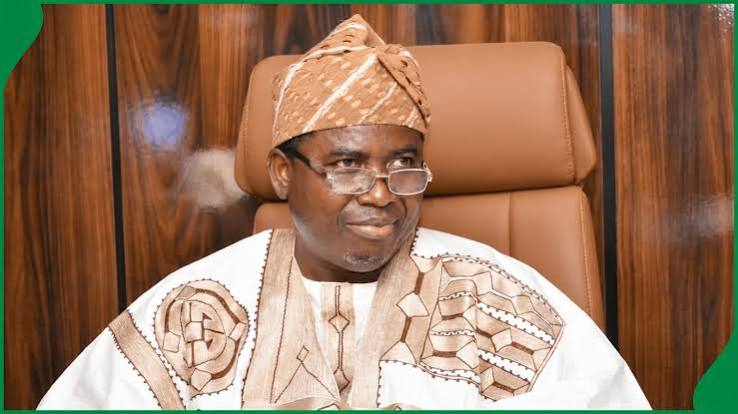
*Prof. Joash Amupitan
Abimbola Joseph
The Independent National Electoral Commission (INEC) has begun early logistics preparations for the 2027 general elections, insisting that no voter should be disenfranchised by the late arrival of election materials.
To achieve this, the commission on Thursday inaugurated a multi-agency Electoral Logistics Committee and launched the National Orientation Agency’s nationwide grassroots mobilisation campaign in Abuja.
INEC Chairman, Prof. Joash Amupitan (SAN), said the committee would strengthen the commission’s operational capacity and ensure the timely deployment of personnel and election materials ahead of the polls scheduled for 16 January and 6 February 2027.
According to him, the multi-agency approach reflects the complexity of moving election materials across Nigeria’s diverse geographical terrain.
“Today’s inauguration of the Electoral Logistics Committee marks a proactive step towards ensuring that the 2027 general election is defined by seamless execution and operational excellence,” he said.
Amupitan appointed National Commissioner, Rear Admiral Jamila Malafa (retd.), to chair the committee, whose members include representatives of security agencies, transport unions and relevant government institutions.
He stressed that election credibility depends largely on voters finding polling units open, equipped and ready on time.
“Election logistics involve the movement of sensitive and non-sensitive materials by land, sea and air. It requires precision, security and timeliness. That is why we are starting early,” he said.
The committee will assess INEC’s logistics needs, develop plans for the storage, distribution, deployment and retrieval of election materials, and evaluate the readiness of warehouses, vehicles, airports and seaports.
It will also identify operational gaps, recommend corrective measures, monitor compliance with logistics schedules and devise strategies to address transportation bottlenecks, shortages and security threats.
Other responsibilities include coordinating the secure movement of materials through road, air and maritime routes, liaising with government agencies and transport unions, and submitting periodic reports to the commission.
Amupitan said Nigeria’s geographical diversity demands a flexible and resilient logistics system capable of overcoming weather-related, security and terrain challenges.
“We must anticipate the weather, the terrain and the security environment to ensure that no Nigerian is disenfranchised because of the late arrival of materials,” he said.
Describing election preparation as “a marathon, not a sprint”, the INEC chairman said early planning was vital to delivering a transparent, efficient and credible electoral process.
Speaking on behalf of the committee, Malafa said its mandate includes reviewing previous elections, identifying operational weaknesses and developing strategies for the timely deployment of personnel and materials.
She said the committee would focus on airlift operations, cargo handling, land and maritime transportation, storage facilities and security arrangements.
Malafa added that the committee would map difficult terrain, security-challenged areas and crisis-prone locations to develop tailored transportation and security plans.
She noted that specialised subcommittees could be created to oversee airlift, land transport, maritime operations, storage and security, stressing that effective inter-agency coordination would be critical to achieving the committee’s objectives.