NIDDEMOG demands better welfare, reform for police
The Niger Delta Development and Monitoring Group has called for comprehensive reforms in the Nigeria Police Force, including improved funding, better welfare and decent accommodation for personnel.
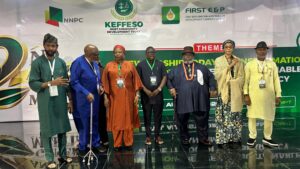
NIDDEMOG Executive Director, Chief Nengi James-Eriworio, made the call in a statement issued on Thursday, arguing that better working conditions would strengthen the police’s ability to respond to Nigeria’s growing security challenges.
Nathan Tamarapreye, Yenagoa
The Niger Delta Development and Monitoring Group has called for comprehensive reforms in the Nigeria Police Force, including improved funding, better welfare and decent accommodation for personnel.
NIDDEMOG Executive Director, Chief Nengi James-Eriworio, made the call in a statement issued on Thursday, arguing that better working conditions would strengthen the police’s ability to respond to Nigeria’s growing security challenges.
James-Eriworio said officers and men of the force required improved allowances, incentives, equipment and living conditions to perform their duties effectively.
He described the state of some police barracks across the country as unacceptable, noting that several facilities had suffered prolonged neglect.
According to him, providing decent accommodation and functional facilities for police personnel should be treated as an essential component of security policy rather than an administrative matter.
The NIDDEMOG chief also backed calls for the police to withdraw from the Contributory Pension Scheme and adopt a pension arrangement that better reflects the demands and risks associated with police service.
He said improved welfare would not only boost morale but could also strengthen professionalism and operational effectiveness within the force.
James-Eriworio, who serves on the oversight board of the Police Violence Crimes Response Unit, also commended personnel of the Bayelsa State Police Command for rescuing a kidnap victim after about 30 days in captivity in a remote coastal area of Southern Ijaw.
He said the operation highlighted the difficult terrain in which security personnel operate across parts of the Niger Delta, particularly the creeks, waterways and dense mangrove forests.
The NIDDEMOG executive director said the development reinforced his call for the establishment of specialised mangrove swamp forest guards to complement conventional security agencies operating in the region.
He alleged that criminal groups were establishing camps and hideouts in remote mangrove areas, using the difficult terrain to facilitate kidnapping, sea piracy and pipeline vandalism.
“Some criminally minded people are building homes and camps and using them as criminal hideouts in the deep mangrove forests,” he said.
James-Eriworio argued that conventional policing alone might not be sufficient to tackle criminal activities in areas where waterways, mangrove forests and difficult terrain restrict access.
He therefore urged the National Security Adviser and other security agencies to strengthen surveillance and intelligence gathering across the Niger Delta’s creeks and mangrove forests.
He said a coordinated security framework, backed by adequate funding, specialised personnel and appropriate equipment, was needed to address the region’s peculiar security challenges.
James-Eriworio maintained that sustained investment in police welfare, operational equipment and specialised security structures would improve the ability of security agencies to protect communities and critical infrastructure across the Niger Delta.